
The online casino market is booming, turning slot game development from a niche field into a multi-billion dollar industry. From popular platforms like JILI slot in Malaysia to massive global operators, the demand for engaging games is higher than ever. This guide covers the entire process of creating a successful slot game, from concept to launch.
What is slot game development?
Slot games are one of the most popular gambling formats. Players spin reels to create random winning combinations, with bets, jackpots, and bonuses adding to the excitement. Slot game development covers everything from design and coding to launch. This includes creating art and themes, defining mechanics (like difficulty, paylines, and RNG integration), and developing software for various platforms.
A Random Number Generator (RNG) ensures every spin is fair and unpredictable. Game outcomes are influenced by volatility — more reels and symbols increase risk but also raise potential rewards. A typical game, whether it’s a classic fruit machine or modern Online Slots, usually has 8 to 12 core symbols, multiple animation states, and one or two bonus features. All these elements must work together to maintain stable performance, usually targeting 60 frames per second.
Why invest in slot game development?
The numbers speak for themselves.

1. High profit potential
The online gambling market is expected to hit $153 billion by 2030, with slot games making up about 70% of online casino revenue. The ROI can be exceptional; successful titles often pay for themselves in 6-12 months and can generate millions annually for years.
2. Growing market demand
Demand for new slot games is climbing. The average online casino adds 5-10 new games monthly to retain players. As online gambling becomes legal in more regions, the need for localized games with unique themes is growing. Mobile gaming is also expanding, with over 60% of players using smartphones and tablets.
3. Creative freedom
Slot development offers immense creative freedom. From space pirates to steampunk, almost any concept can succeed if executed well. Visual styles range from retro 8-bit to photorealistic 3D. Mechanics can include anything from classic cascading reels and arcade-style bonus games to the innovative approaches seen in titles from developers like Jili Games.
4. Multi-platform accessibility
Modern technologies like HTML5 allow for a single development process for a universal launch on:
- iOS and Android devices.
- Web browsers.
- Social media platforms.
- Online and physical casinos.
This versatility expands audience reach. Platform differences matter; for instance, mobile players often prefer shorter sessions with quick bonuses.
5. Long-term returns
Unlike games that fade quickly, successful slots can generate revenue for years. This “evergreen” content, supported by well-balanced math and engaging mechanics, ensures high replayability. A game’s lifespan can be extended with updates like new bonus features or sequels.
6. The evolution of slot game development
Slot games have evolved from Charles Fey’s 1895 mechanical “Liberty Bell” to today’s AI-powered digital experiences. The 1960s brought electromechanical machines, followed by the first video slot in 1976. The internet boom of the 1990s introduced online slots, while the 2010s saw a shift to mobile-first design with HTML5. Today’s slots incorporate 3D graphics, VR, and AI personalization.
Types of slot games
Slot development includes various types targeting different audiences.
1. Classic slots
Classic slots mimic traditional 3-reel machines with 1-5 paylines and simple symbols like fruits and sevens. Their straightforward gameplay attracts beginners. These projects have smaller budgets and shorter timelines.
2. Video slots
Video slots are the most common type, usually featuring 5 reels and 10-100+ paylines. Key features include Wilds, Scatters, free spins, bonus games, and multipliers. They offer a good balance of complexity and profitability.
3. 3D slots
3D slots use advanced graphics and animations for a more immersive experience, often including cinematic cutscenes and storylines. They require larger budgets but can help a game stand out.
4. VR slots
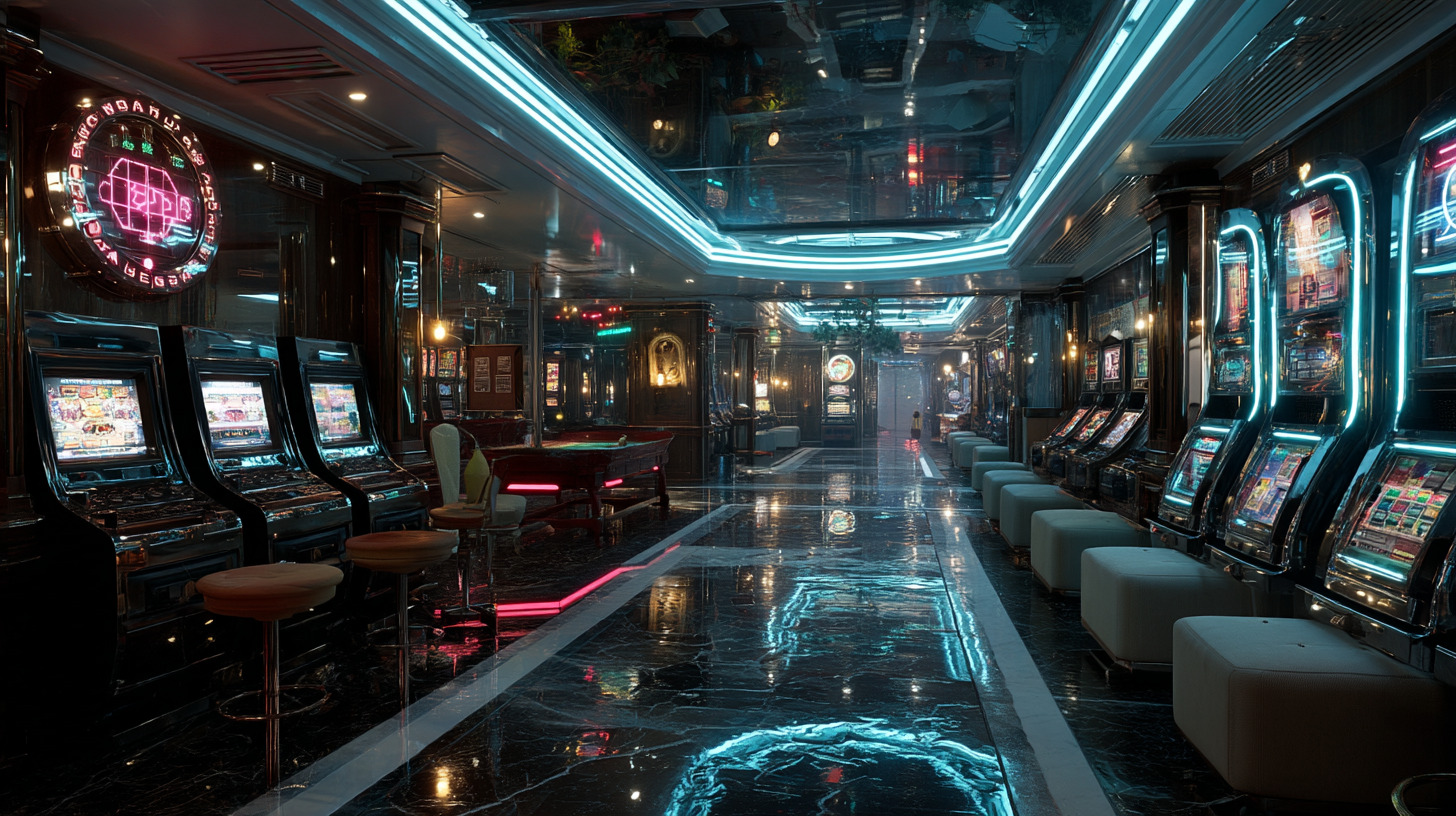
VR slots place players directly inside a virtual casino. Development is challenging, requiring a high frame rate (90 FPS) to prevent motion sickness. Though still experimental, VR gaming could expand as hardware improves.
5. Megaways slots
Licensed from Big Time Gaming, the Megaways mechanic changes the number of symbols per reel with each spin, creating thousands of ways to win. This unpredictability is a major driver of player engagement.
6. Progressive jackpot slots
These games pool a small portion of each bet into a shared prize that grows until one player wins. The jackpots can be local or networked across multiple casinos, sometimes reaching massive sums. The constantly growing prize is a powerful engagement tool.